Download All Products
Overhead Cables
Overhead cables are widely used in power transmission and distribution systems to deliver electricity across long distances. They are suspended above the ground using poles or towers and are a cost-effective and reliable method for transferring electrical energy. The following are the main types of overhead cables:
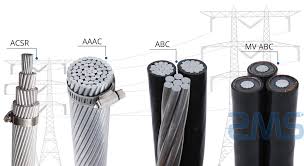
Bare Conductors: These are simple conductors without insulation, commonly used for high-voltage transmission. They include materials like aluminum or aluminum alloys (e.g., AAC, AAAC) and aluminum-conductor steel-reinforced (ACSR) cables, which combine the conductivity of aluminum with the strength of steel.
Insulated Overhead Cables: These cables have an insulating layer and are used in areas where safety is a priority, such as residential or urban environments. Their insulation helps protect against short circuits and other risks.
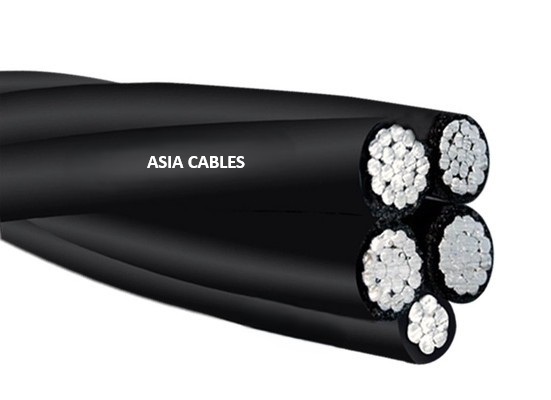
Bundled Conductors: In these systems, two or more insulated conductors are bundled together. They are mainly used to reduce electromagnetic interference and maintain phase spacing.
Low Voltage Cables
Low voltage cables are an essential component in the electrical industry, facilitating the safe and efficient distribution of electricity for various applications. They are designed to operate at voltages below 1 kV and are widely used in residential, commercial, and industrial settings. The following sections detail their applications, types, and features.
Applications
Low voltage cables are commonly used for:
Power Distribution: Supplying electricity to homes, offices, and small industrial facilities.
Lighting Systems: Powering indoor and outdoor lighting.
Control Systems: Transmitting signals in automation and industrial control processes.
Renewable Energy Projects: Connecting solar panels or wind turbines to inverters and battery storage systems.
Types of Low Voltage Cables
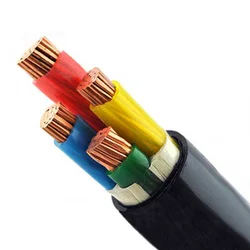
PVC-Insulated Cables:
Insulated with polyvinyl chloride (PVC), these cables are cost-effective and highly durable.
They are resistant to moisture and chemical exposure, making them suitable for a wide range of applications.
XLPE-Insulated Cables:
Cross-linked polyethylene (XLPE) insulation provides enhanced thermal resistance and mechanical strength.
Commonly used in demanding environments, such as industrial plants or areas with higher temperatures.
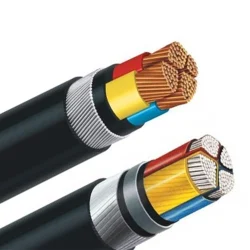
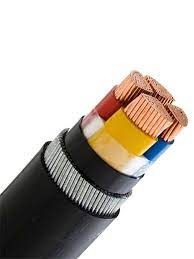
Armored Cables:
Equipped with an additional layer of metal armor for mechanical protection.
Used in underground installations and environments requiring extra durability.
Flexible Cables:
These cables are designed for easy bending and movement.
Typically used in appliances, machinery, and temporary power connections.
Shielded Cables:
Shielded with a layer of conductive material to protect against electromagnetic interference (EMI).
Used in sensitive electronic applications, including control panels and communication systems.
Indoor Wires
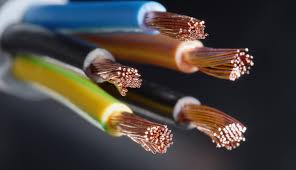
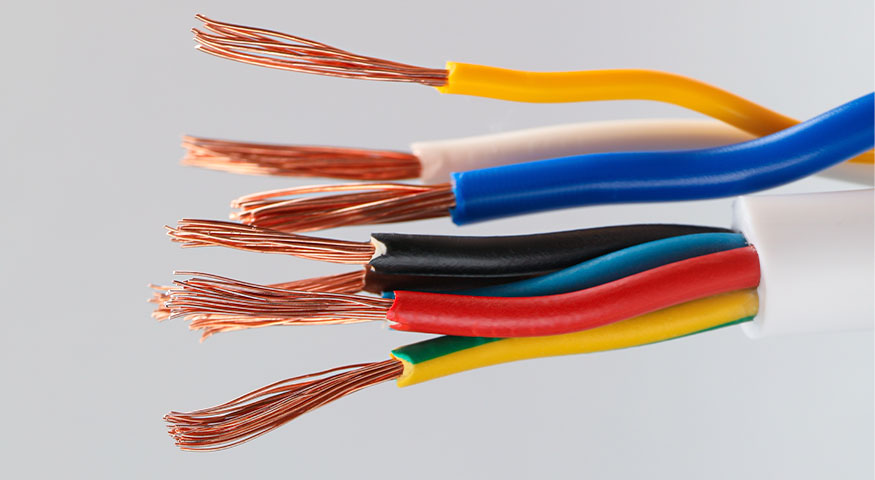
Indoor cables are specialized electrical cables designed for use within buildings and enclosed spaces. They prioritize safety, ease of installation, and compatibility with indoor environments. These cables are integral to modern electrical systems, providing power and communication solutions for residential, commercial, and industrial applications.
Applications
Indoor cables are used for a variety of purposes, including:
Power Distribution: Delivering electricity to lighting fixtures, outlets, and appliances.
Communication: Supporting telephone, internet, and data transfer systems.
Control Systems: Enabling automation and control within buildings, such as in HVAC systems or fire alarms.